Value investing and stock analysis, without the hype
Plain-language guides on value investing, the methodology behind Ploutos AI's stock research, and how to interpret each analysis.
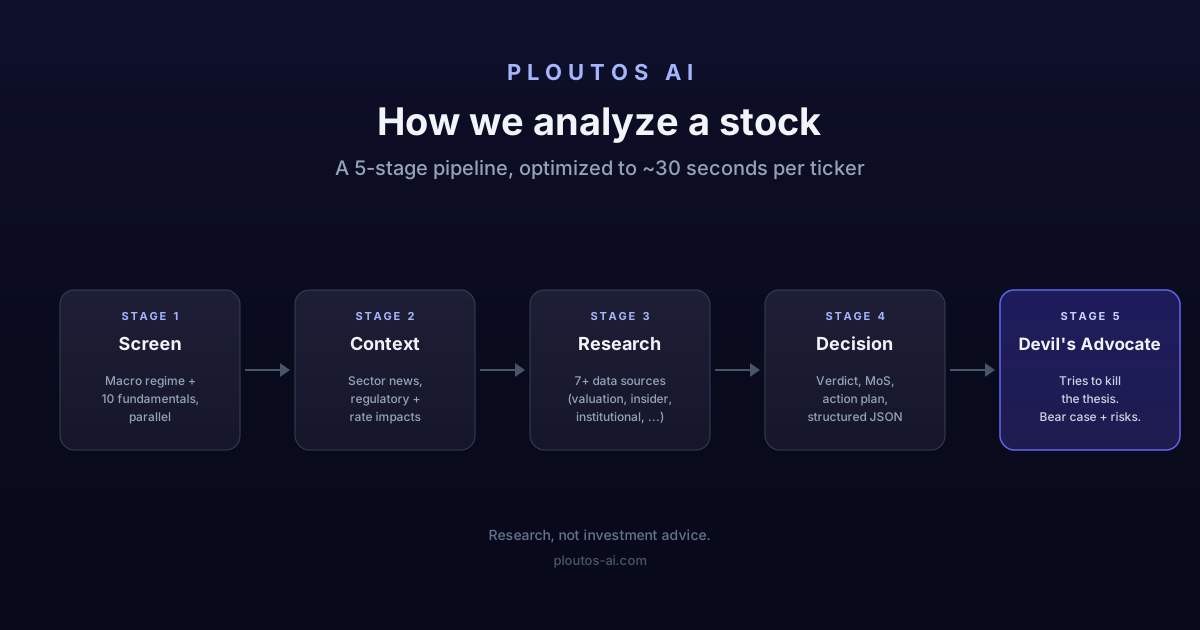
How Ploutos AI analyzes a stock in 4 stages (and one Devil's Advocate)
From screening to bear-case stress test, the full pipeline that runs every time you submit a ticker, explained without jargon.
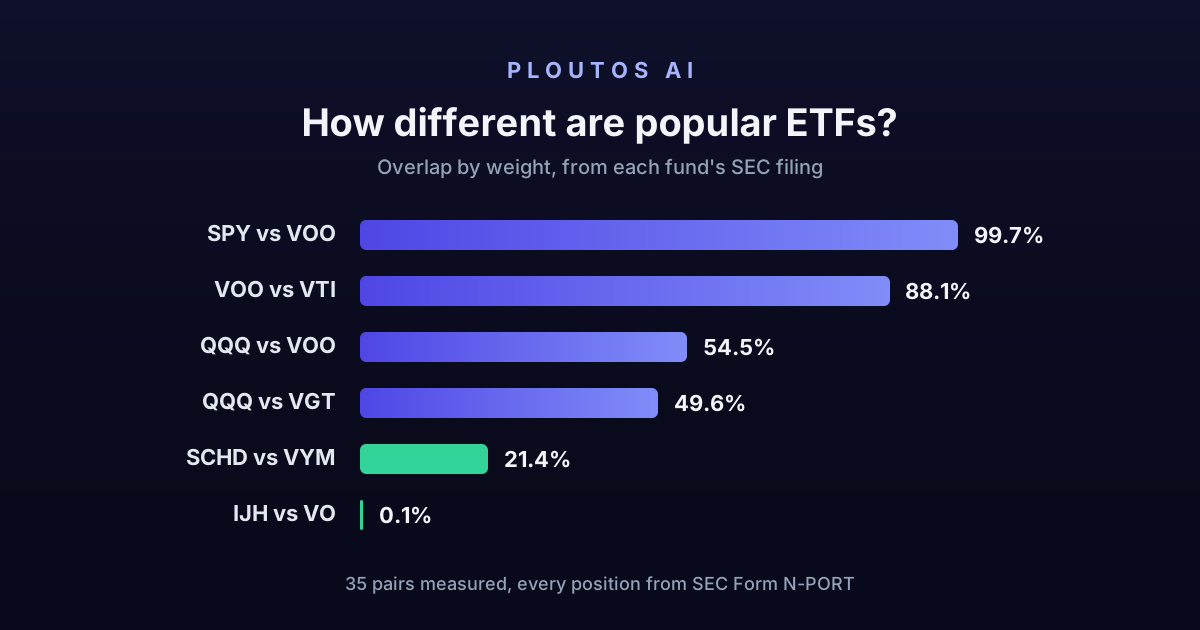
How different are the most popular ETFs? We measured 35 pairs
SPY, VOO and IVV share 99.6% or more. VTI is 88% S&P 500. Two dividend funds, SCHD and VYM, share only 21.4%. The overlap of 35 popular ETF pairs, from their SEC filings.
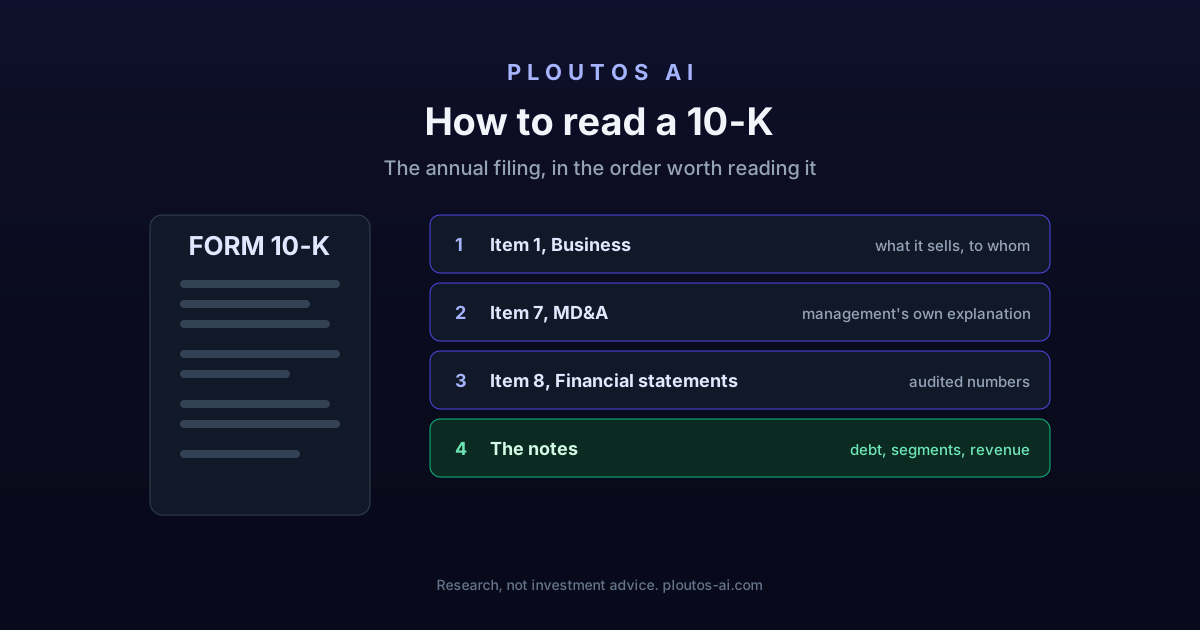
How to read a 10-K: a US company's annual report, without getting lost
What a 10-K is, where to find it, which parts to read first and what to look for in each. A guide to the annual filing US companies make with the SEC.
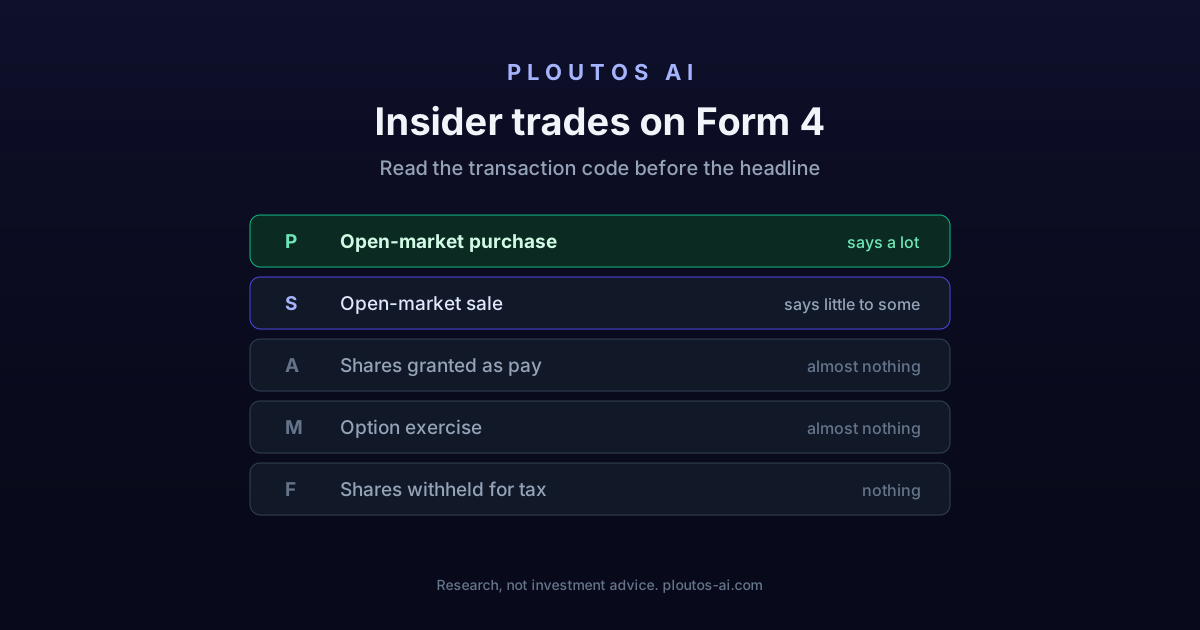
Insider trading and Form 4: what it means when an executive buys or sells their company's stock
What Form 4 is, who counts as an insider, how to tell a real purchase from stock pay, and why an executive's sale usually says less than a purchase.
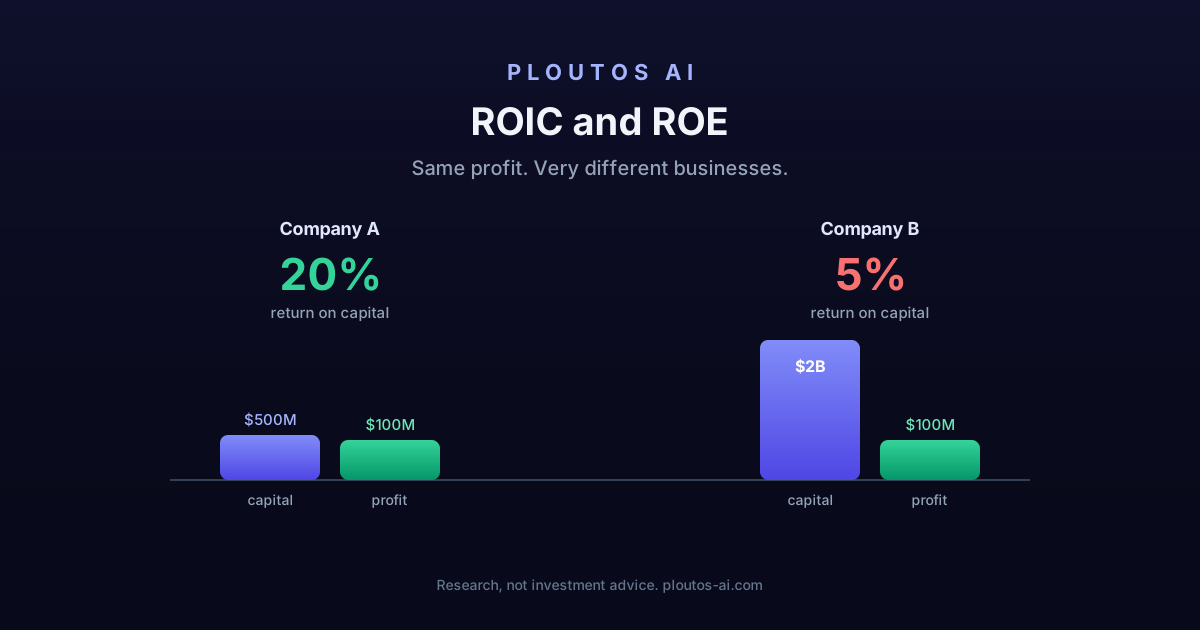
ROIC and ROE: how well a company puts its money to work
Return on invested capital (ROIC) and return on equity (ROE) explained simply: how they are calculated, why ROE is flattered by debt, and why ROIC says more about the quality of a business.
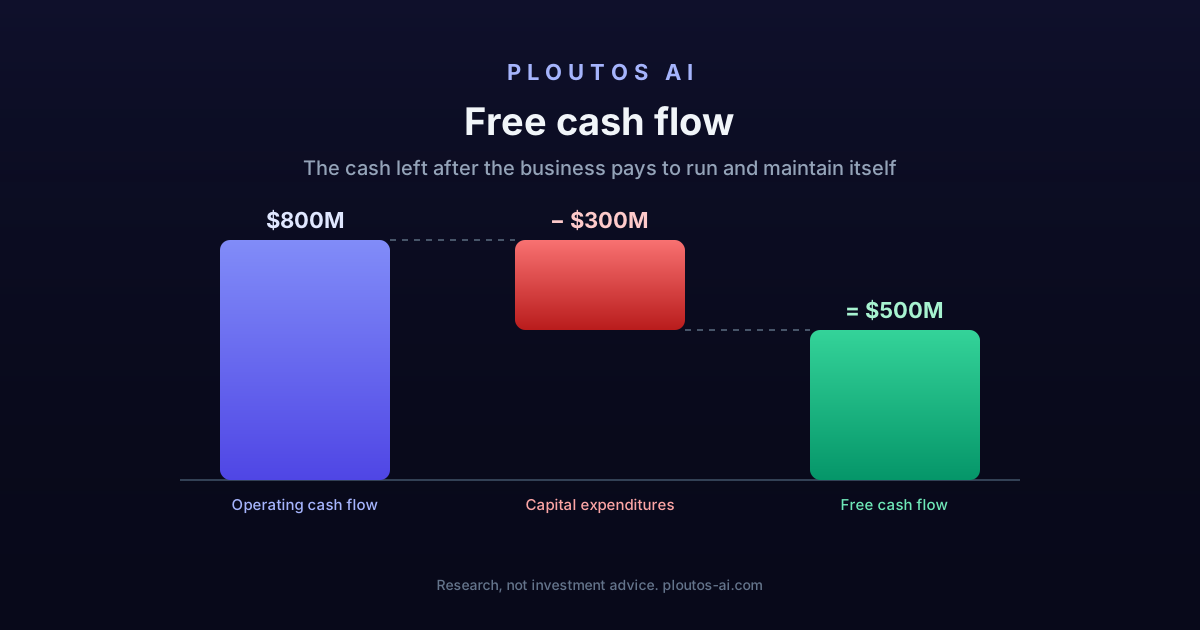
Free cash flow: the money that is really left over
What free cash flow is, where to find it in the cash flow statement, why it often differs from earnings, and what to check before you trust it.
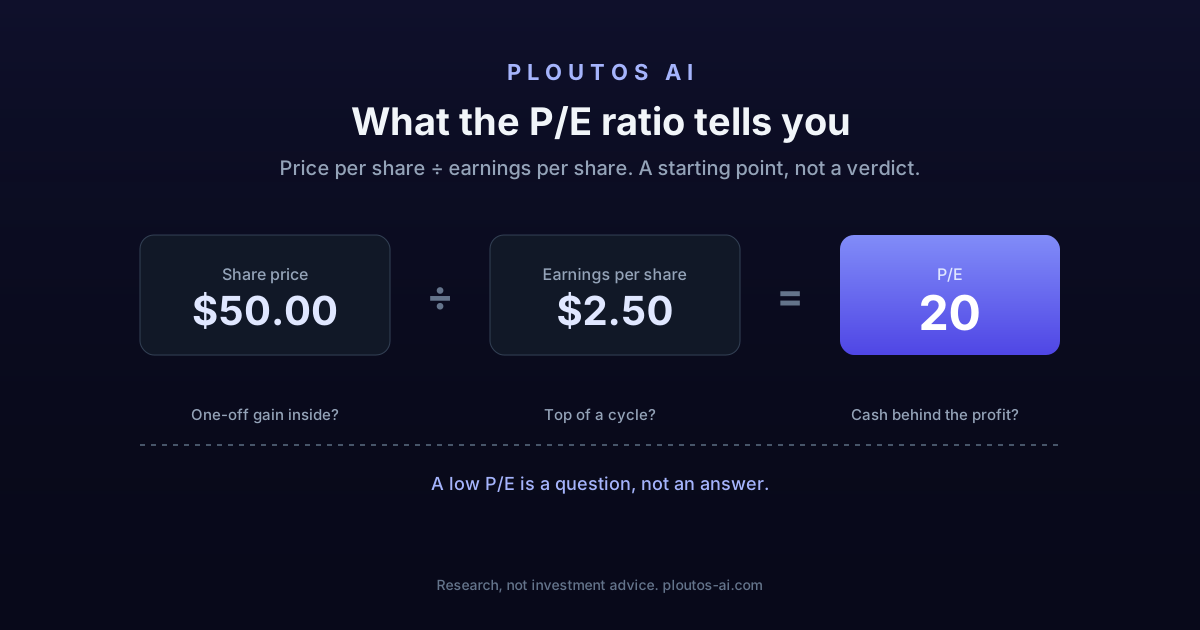
The P/E ratio: what it really tells you, and when it misleads you
The price-to-earnings ratio explained simply: how it is calculated, what a P/E of 10 or 40 means, and five cases where a low P/E does not mean a cheap stock.
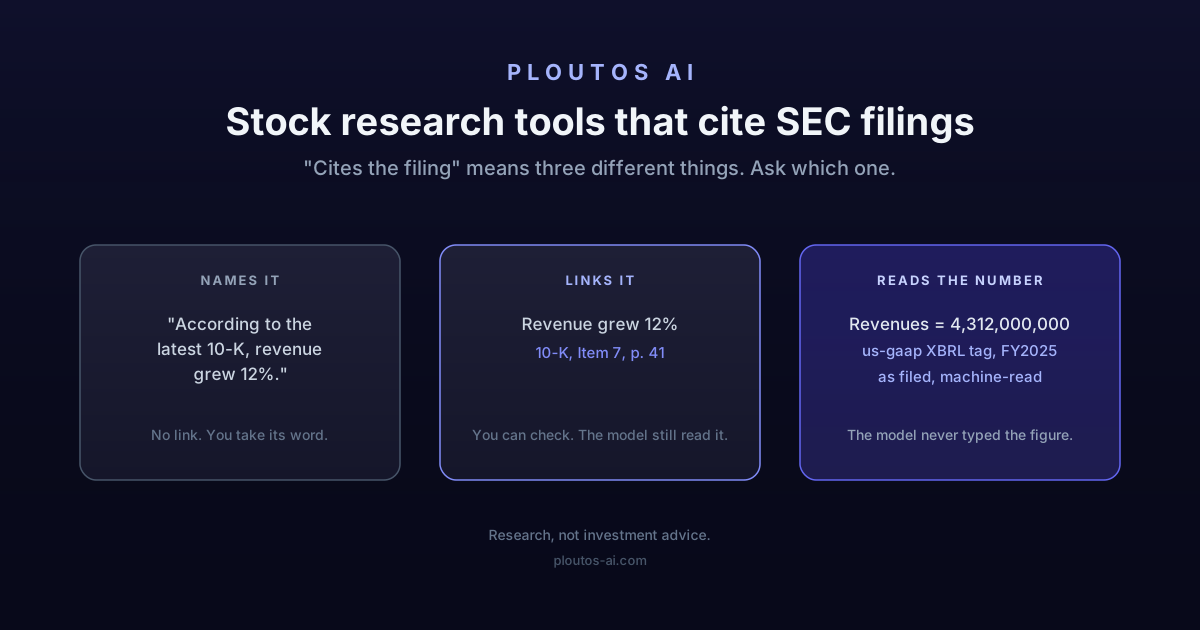
Stock research tools that cite SEC filings: what "cites the filing" actually means, tool by tool
Eight tools say their numbers come from SEC filings. They mean three different things. Where each one's figures actually come from, what a citation points to, and what each covers, checked on the vendors' own pages in September 2026.
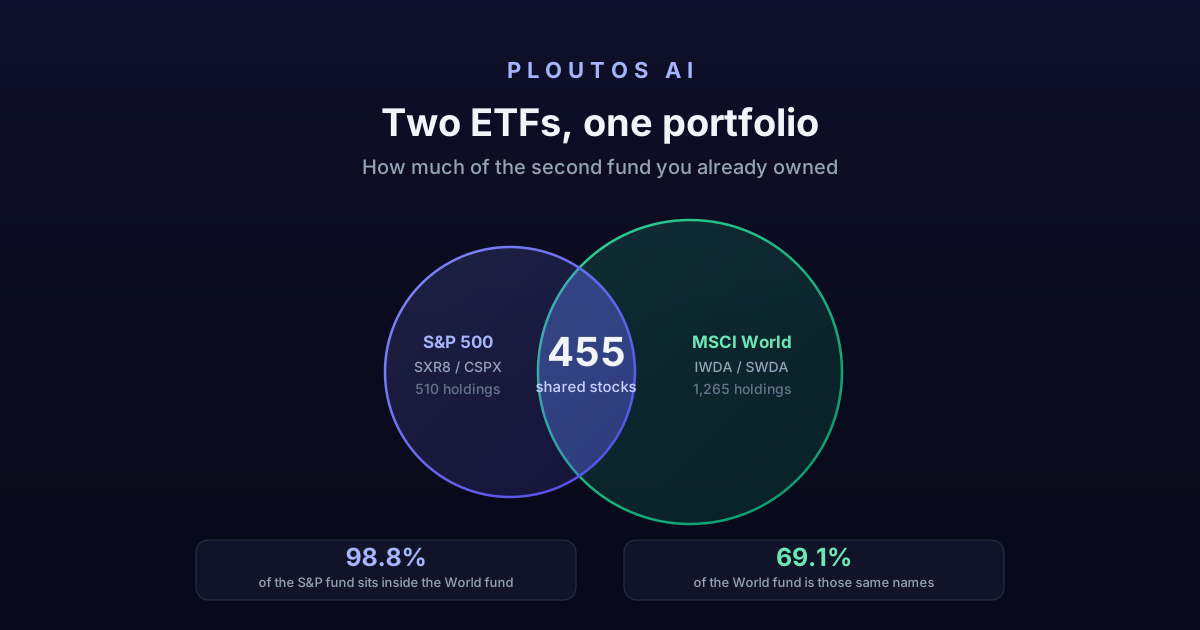
ETF overlap: how much of your second fund did you already own?
Two popular UCITS ETFs share 455 of the same stocks. The measured overlap between an S&P 500 and an MSCI World fund, and how to check your own.
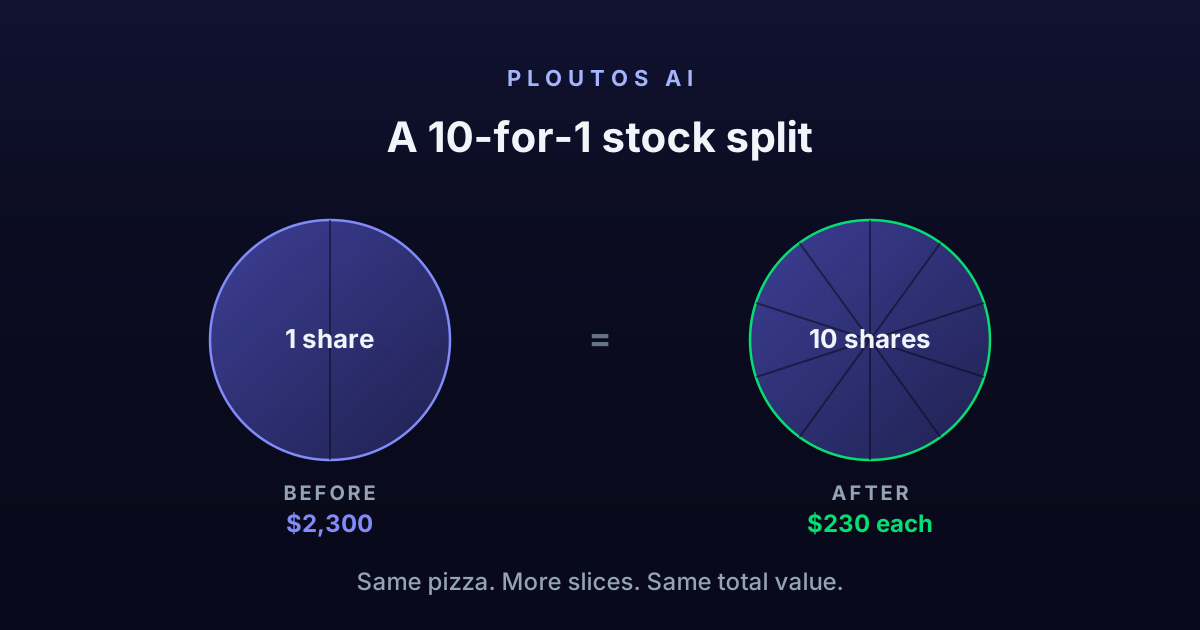
What is a stock split, and does it change what your shares are worth?
A stock split multiplies your share count and divides the price by the same amount. Here is what actually changes, what does not, and the one thing worth checking afterward.
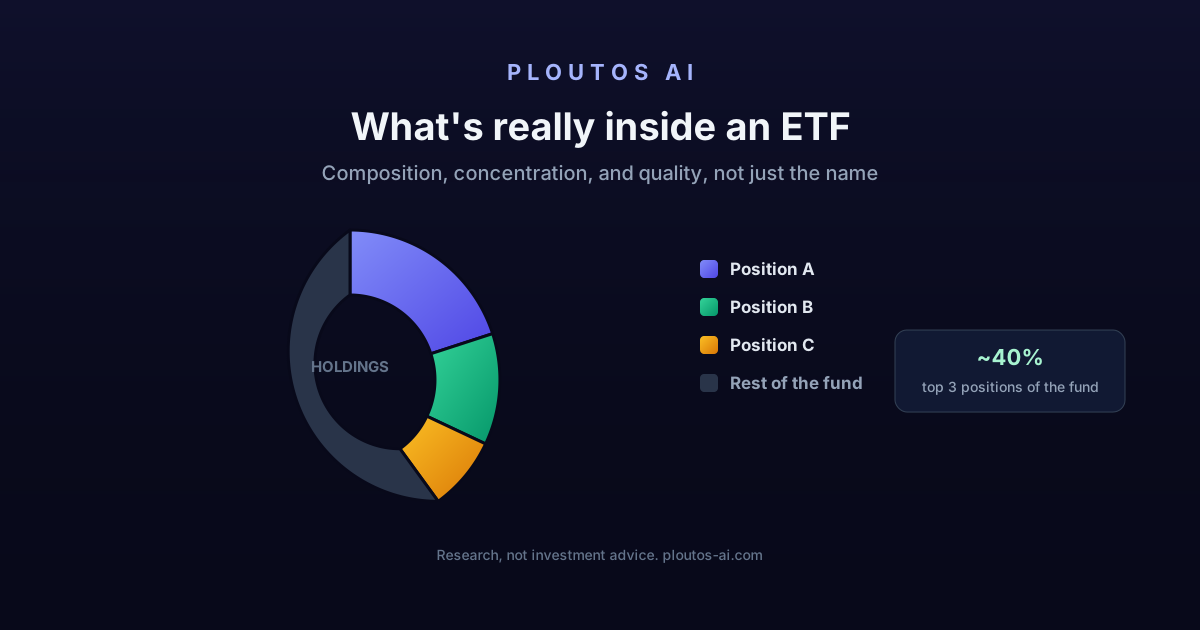
How to analyze an ETF: what's actually inside a fund
A fund's name doesn't tell you what you actually own. How to check its composition, concentration, and holding quality before you buy.
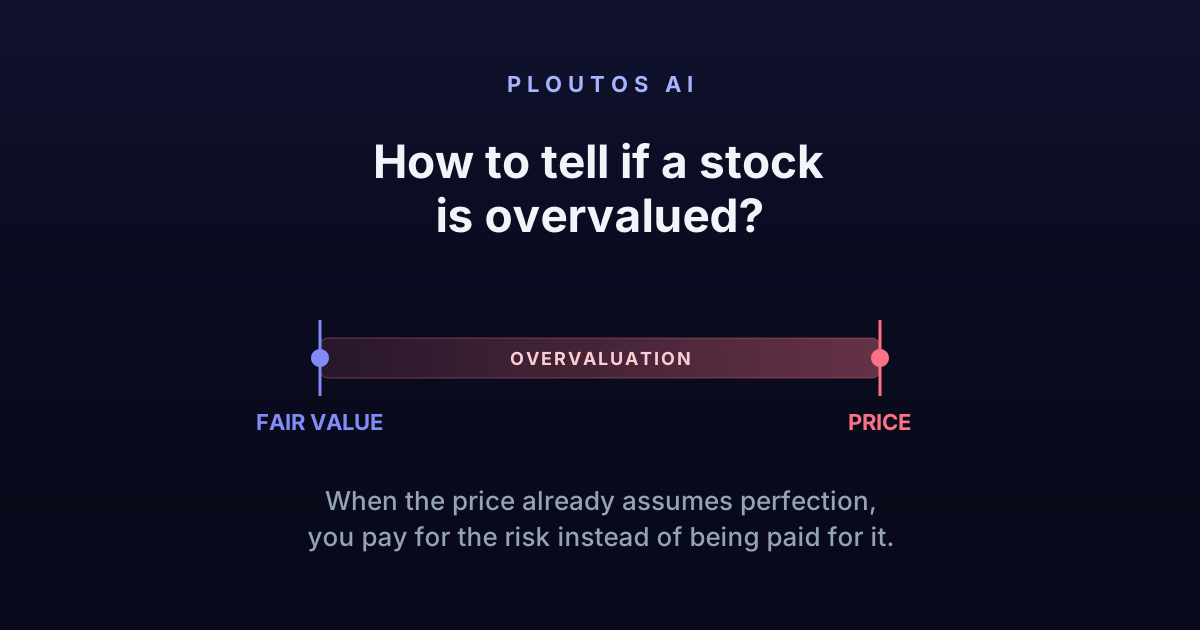
How to tell if a stock is overvalued: the signs that actually matter
A high price doesn't make a stock overvalued. Learn the real signs: valuation multiples, the growth already priced in, and when a great company is still a bad price.
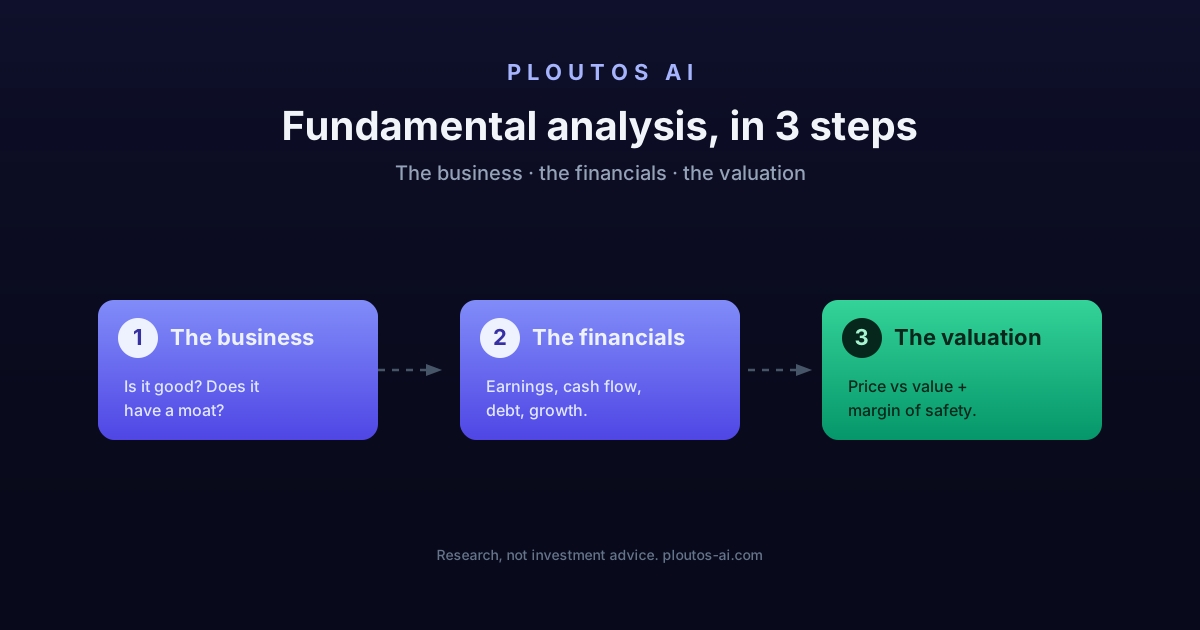
Fundamental analysis of stocks: a guide to valuing a company
What fundamental analysis is, how it differs from technical analysis, and the 3 steps to evaluate a stock: the business, the financials, and the valuation.
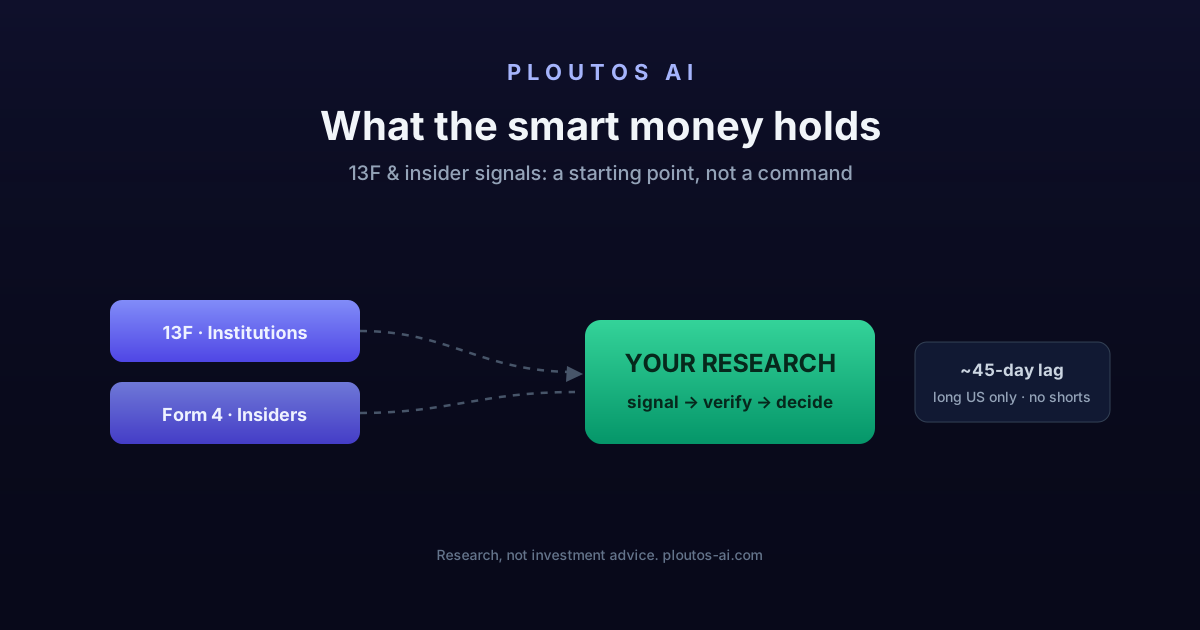
Smart money: what 13F filings show, and how to read them properly
What 13F filings are, what smart-money and insider signals actually tell you (and what they don't), and how to read them as a research starting point, not a buy command.
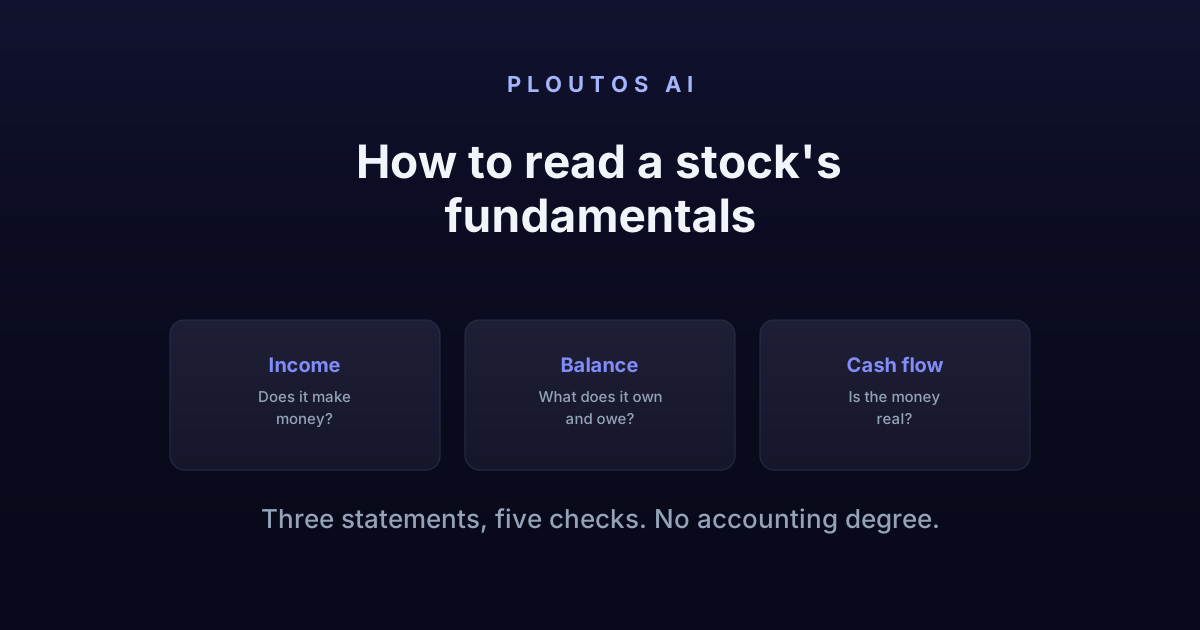
How to read a stock's fundamentals (without being an accountant)
Filings are huge, but you don't have to read all of it. The 3 statements, a 5-point quick scan, and 3 quality scores in plain English.
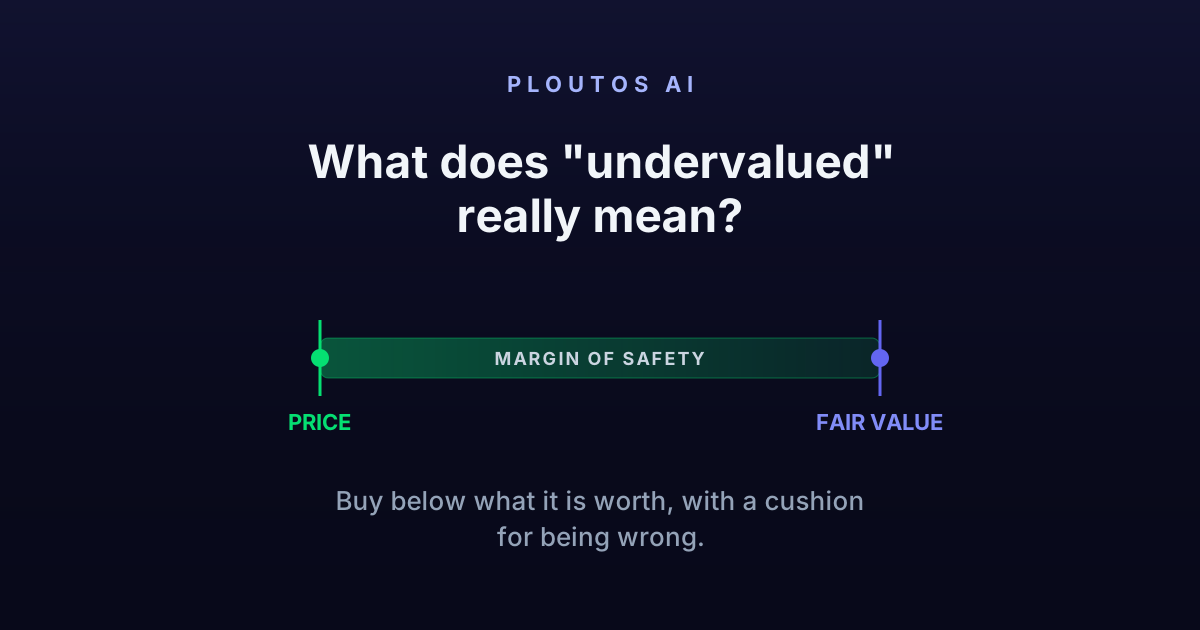
What does 'undervalued' really mean: margin of safety and value traps
A low price doesn't mean undervalued. See what intrinsic value is, what margin of safety means, and how to tell a real opportunity from a value trap.
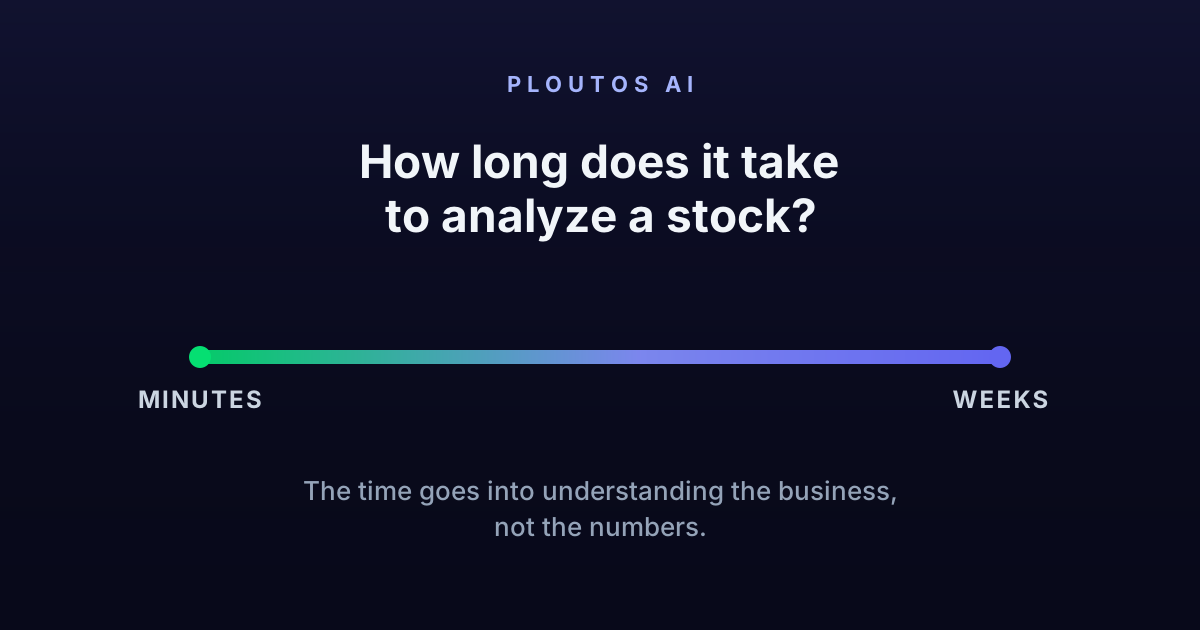
How long does it take to analyze a stock (and where the time actually goes)
From a few minutes to several weeks. See where the time actually goes when you analyze a stock, a 5-point quick scan, and how to save time without losing depth.
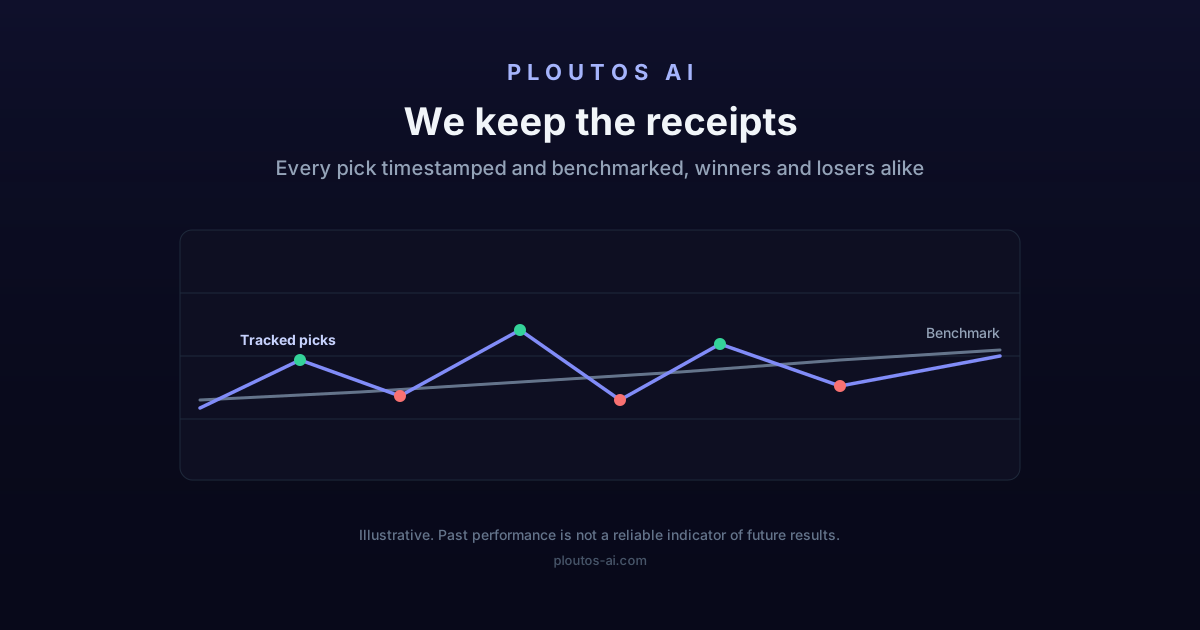
How we track our own track record (and why most pickers hide theirs)
Most stock pickers quietly bury their misses. Here is how Ploutos AI records every pick at decision time and benchmarks it against the market, openly.
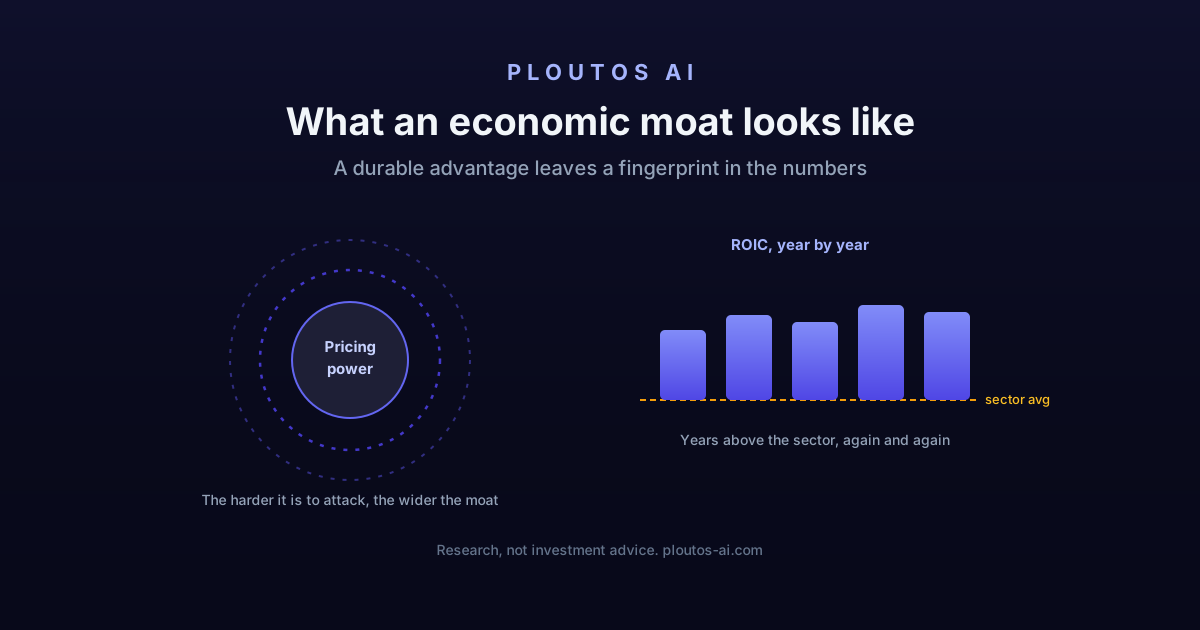
What is an economic moat, and how do you actually measure it?
An economic moat is a durable competitive advantage. Here is what one looks like, the main types, and how to measure it from a company's financial fingerprint.
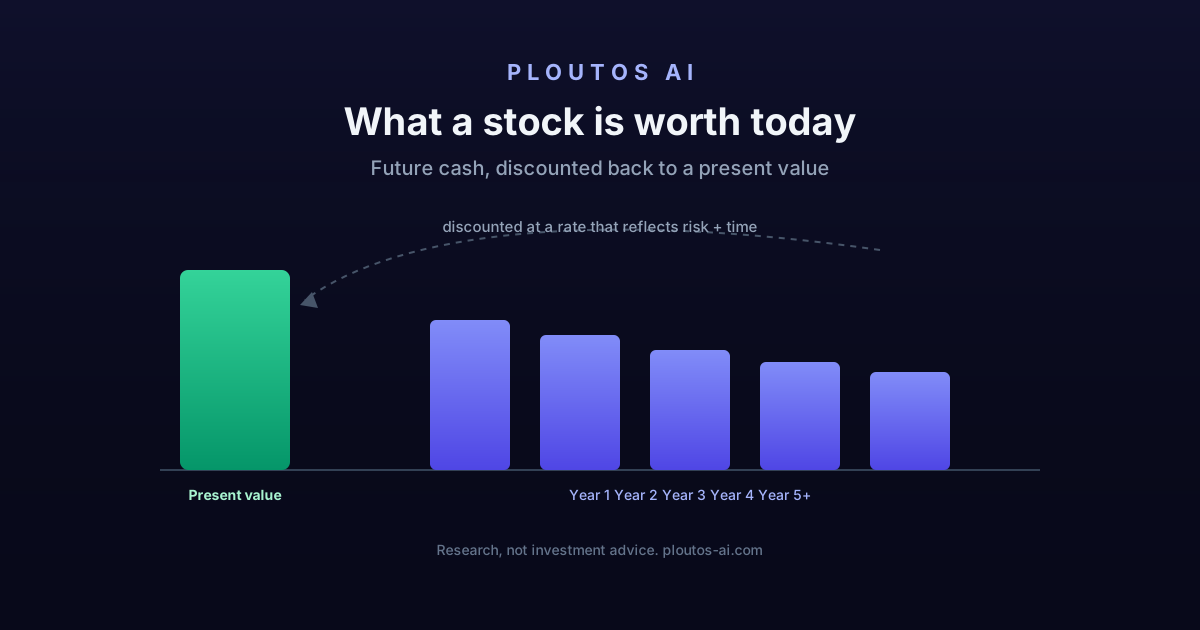
What is DCF valuation, and why analyst price targets are often wrong
Discounted cash flow, explained simply: valuing a company by its future cash, why a single DCF is fragile, and why analyst price targets are often unreliable.
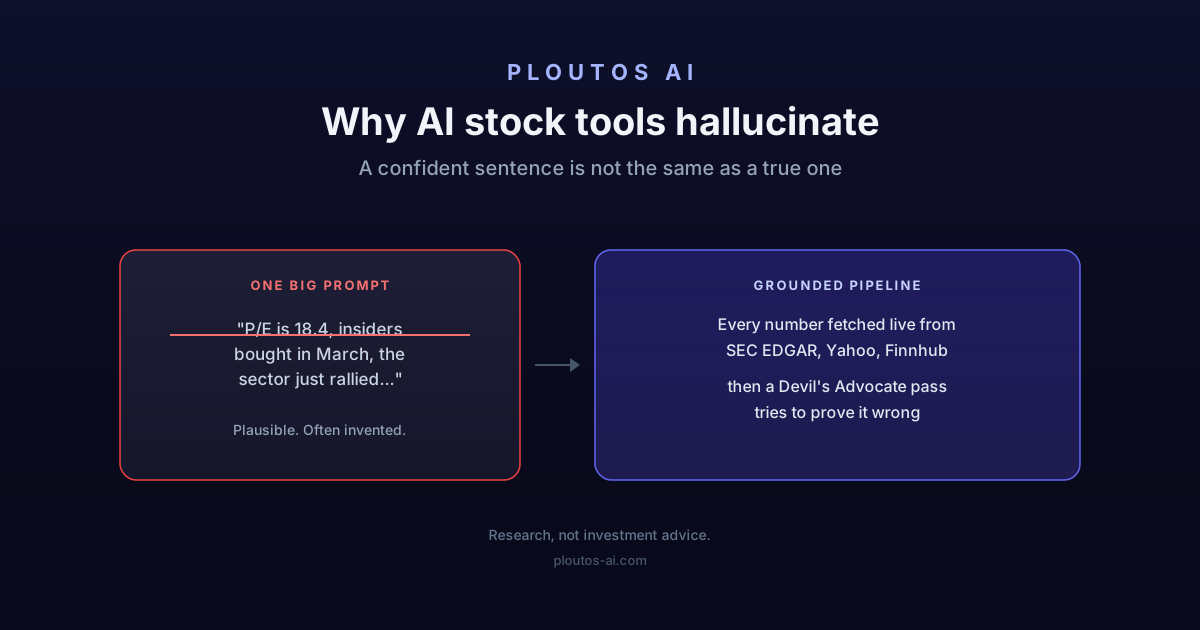
Why AI stock tools hallucinate, and how we stop it
A language model will happily invent a P/E ratio or an insider trade that never happened. Here is why it happens, and how Ploutos AI prevents it.
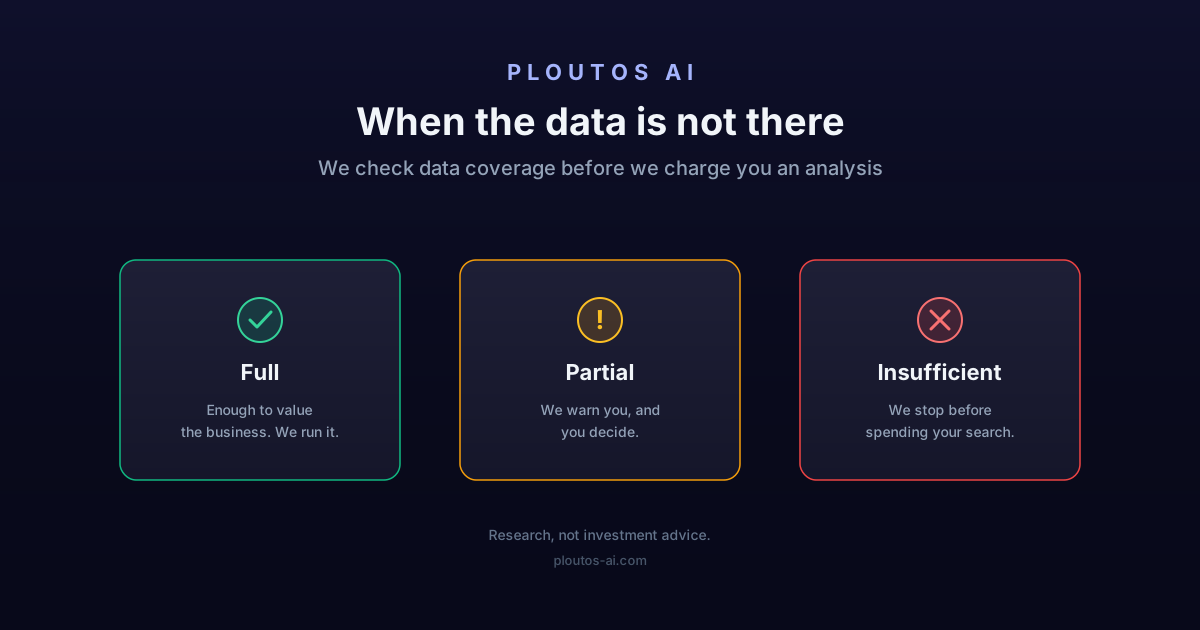
Why we sometimes refuse to analyze a stock (and tell you instead)
Incomplete data produces a confident but misleading verdict. Here is how Ploutos AI checks data coverage before spending your analysis, and when it stops.